
Rwanda pilots new digital platform to empower Cross-Border Traders in Rusizi
UMWIZAAAAAA&
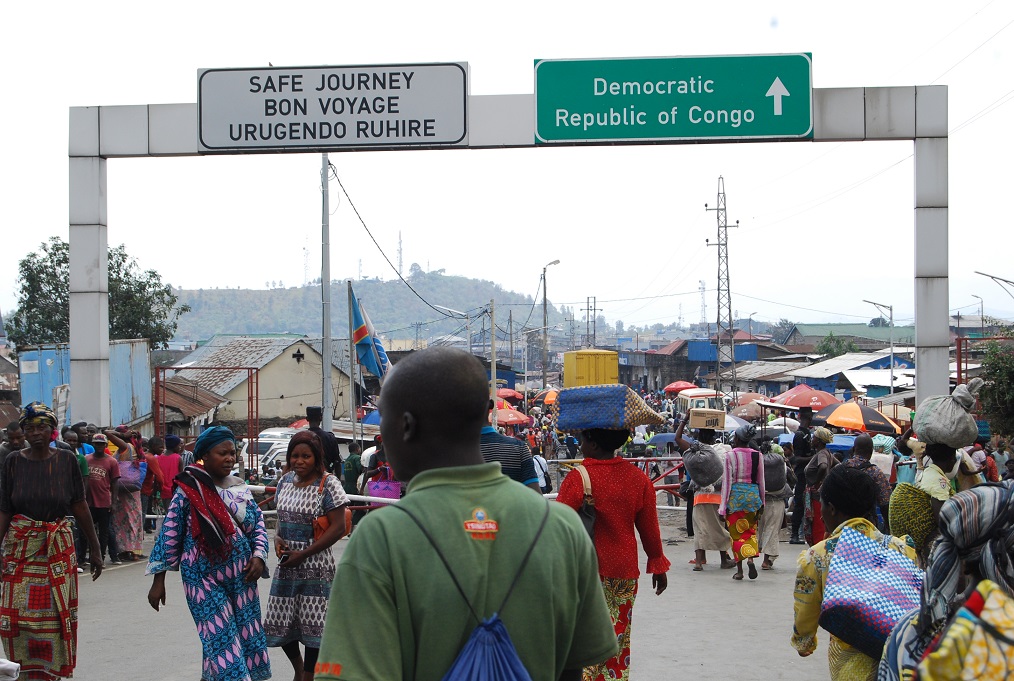
In an effort to promote inclusive cross-border trade and improve access to timely and reliable information, especially for women, youth, and persons with disabilities, a pilot program for a new digital platform will soon be launched in Rusizi District, Western Rwanda.
To enhance cross-border trade and ensure that small-scale traders, especially women, youth, and persons with disabilities, have access to reliable and user-friendly information, a new digital platform will be piloted in Rusizi District.
This initiative is part of the “Amplifying Digital Opportunities for Cross-Border Trade” (ADO-CBT) project, led by the International Organization for Migration (IOM), in partnership with the Rwanda Cross-Border Traders Association (ACTR) and Sauti East Africa. The project is funded by the United Nations Joint SDG Fund, based in New York, USA.
Cross-border trade is a critical driver of Africa’s economic development. It contributes significantly to job creation, regional trade integration, food and energy security, and poverty reduction.
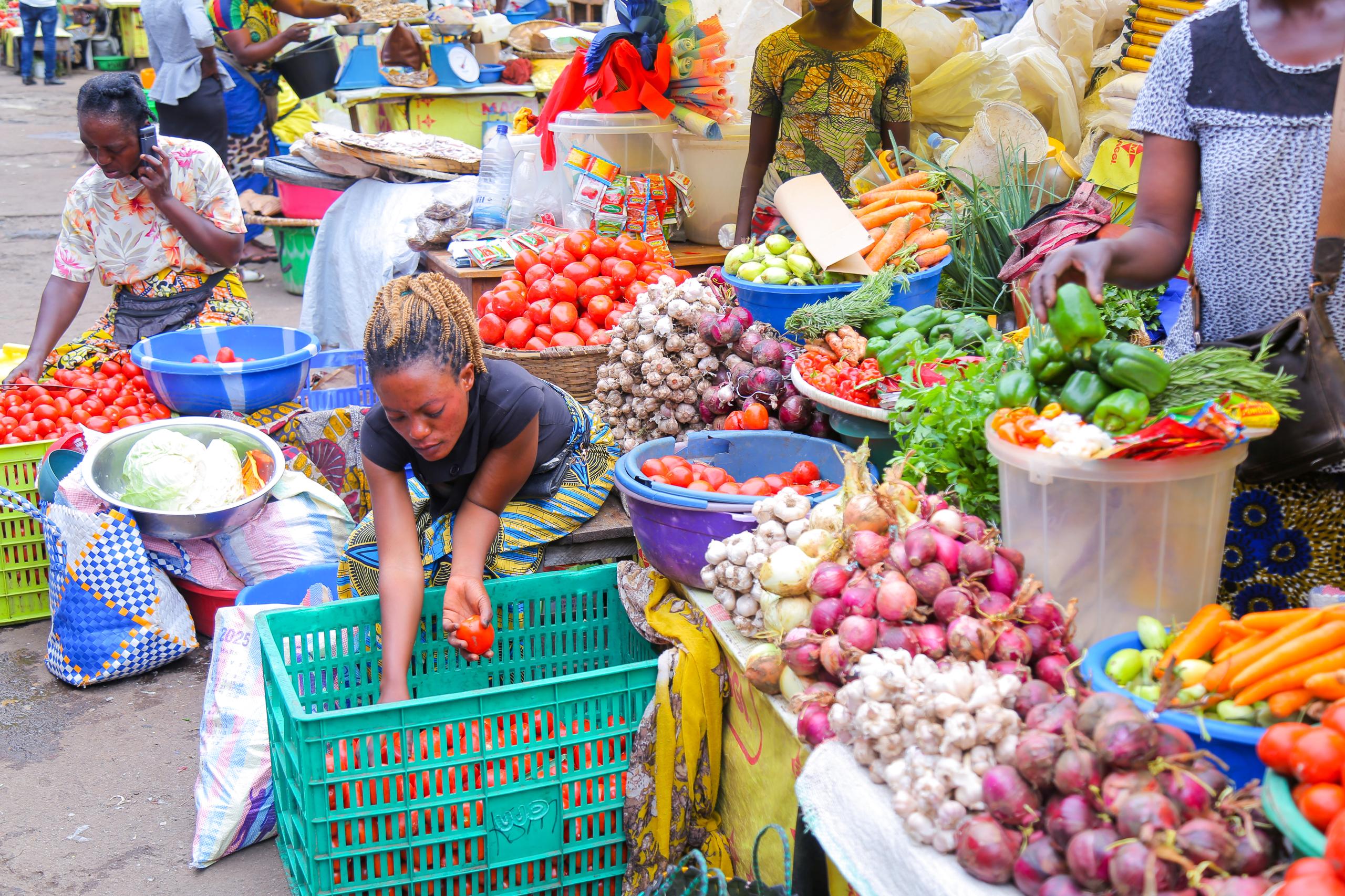
In Rwanda, over 70% of small and informal cross-border traders are women. Many of them contribute up to 90% of the trade-derived income to their households and local economies. However, these traders often face multiple barriers when crossing borders.
Common challenges include:
Limited knowledge of border procedures and trade regulations, Lack of access to real-time information, Corruption and harassment, Confiscation of goods, Lack of essential documents like passports and visas, Cases of child abandonment at borders, Human trafficking disguised as employment opportunities.
According to a World Bank report, 40% of small-scale traders report experiencing corruption, and 30% of women involved in cross-border trade report having faced harassment.
Most of these issues stem from significant information gaps. Many traders are unaware of their rights, trade laws, or available services such as financial, health, and digital resources, hindering transparency and service accountability.
To address this, IOM and its partners developed a multilingual, easy-to-use digital platform that will initially be tested in Rusizi. The platform aims to improve traders’ access to critical information and services, enhancing transparency and economic resilience.

Key Features of the Digital Solution:
USSD codes for use on basic feature phones, SMS updates, WhatsApp chatbot for smart devices, Web-based access via smartphones and computers, Information kiosks in strategic community locations,
The platform will offer real-time updates on:
Border regulations and customs procedures, Required trade documentation, Market prices and exchange rates, Weather forecasts, Health and financial services, Social welfare programs.
Content is designed to be accessible to users with limited digital literacy, using simplified language and the major local languages spoken across Rwanda and its neighboring countries.
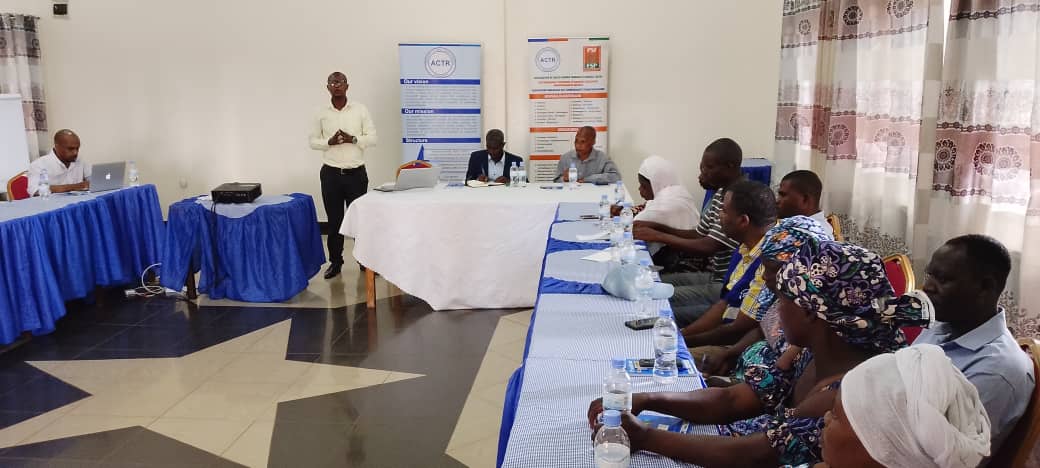
The pilot will engage approximately 60 participants, including cross-border traders, women, youth, persons with disabilities, and local government officials. Their feedback will help improve the platform for broader implementation.
Ultimately, this digital tool aims to foster transparency, facilitate access to essential services, and empower small-scale traders in line with Rwanda’s Vision 2050 development agenda.
A final report on the pilot will provide insights into the progress of cross-border trade and regional integration between Rwanda and neighboring countries.
Amani Ntakandi