
Rwanda’s New Conservation Law Puts Communities at the Heart of Protecting Nature

By Amani Ntakandi
A bold policy shift is empowering Rwandans to take charge of the country’s national parks and reshape the future of conservation.
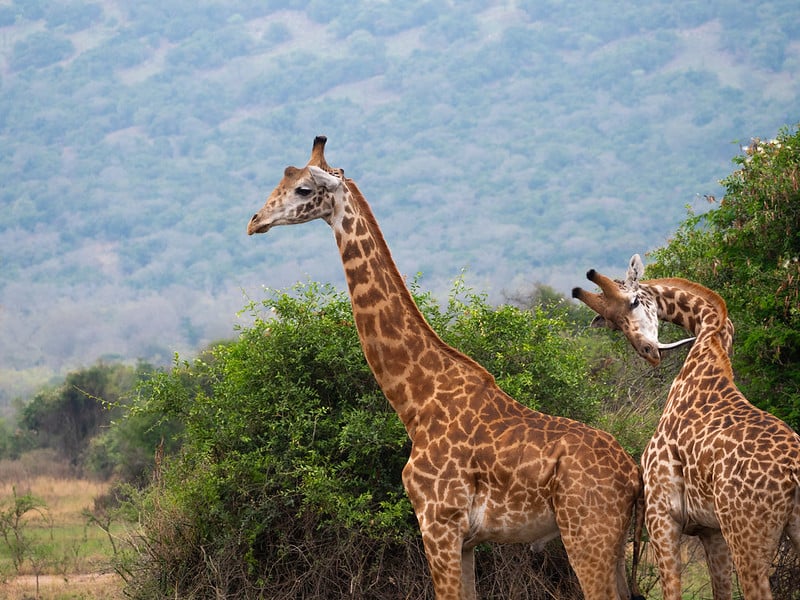
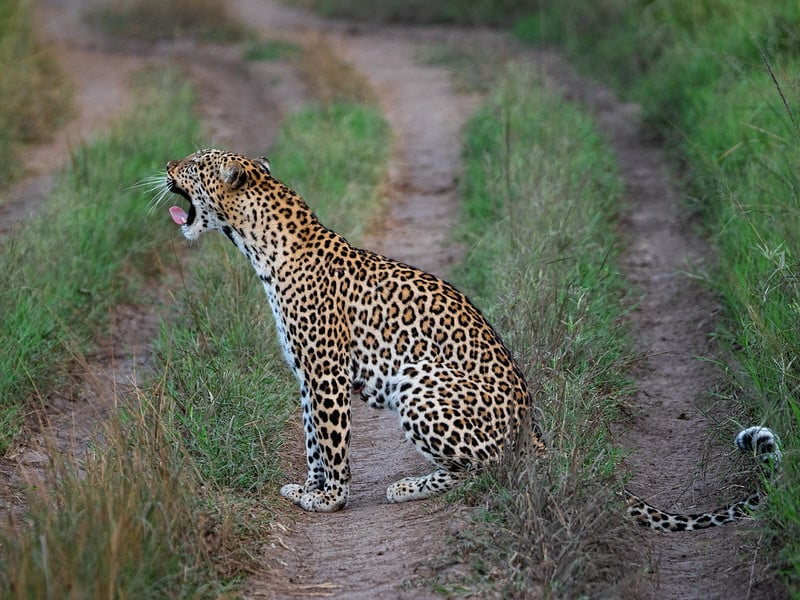
For decades, Rwanda’s lush national parks, home to rare mountain gorillas, golden monkeys, and rich biodiversity, were managed almost entirely by government institutions. Local residents, who lived closest to these treasures, often watched from the sidelines, with limited involvement in decision-making.

That era is coming to an end.
In October 2024, Rwanda enacted a new conservation law that redefines how national parks and reserves are managed. For the first time, ordinary citizens can take part directly in managing and protecting the country’s natural heritage.
“These committees were created to promote the involvement of local communities in the sustainable management of natural resources,” Jean Luc Rukwaya, Conservation Specialist at the Rwanda Environment Management Authority (REMA)
From Control to Collaboration
Under the new framework, residents living near protected areas can now obtain licenses to manage or co-manage national parks and reserves. Committees made up of local people have been established to act as bridges between park authorities and communities, helping mediate disputes, educate residents, and ensure that conservation decisions reflect local realities.
This change signals a major power shift from centralized government control to community-based conservation. “The new structure strengthens local conservation networks and clearly defines people’s roles,” Rukwaya explained.

Rwanda is home to four national parks, Akagera, Nyungwe, Gishwati-Mukura, and Volcanoes, along with several smaller nature reserves. According to the Rwanda Development Board (RDB), these ecosystems are not only vital to biodiversity but also to national identity and economic growth.
A Law That Creates Opportunity
The reform also allows for private ownership of nature reserves, provided applicants meet environmental, financial, and technical requirements. Conservation experts believe this could encourage new investment in ecotourism, research, and habitat restoration.
“This initiative puts local communities at the center of development and nature protection,” said Télesphore Ngoga, Conservation Analyst at RDB.
He adds that the reform aims to expand protected areas while creating new green jobs, from park rangers and guides to community educators and eco-entrepreneurs.
Healing a Painful Legacy
Historically, Rwanda’s conservation model was rooted in colonial-era policies that prioritized protection over participation. Entire communities were once displaced to create parks, and local people were often treated as trespassers rather than partners.
“The old governance system treated conservation like policing and left communities out,” said Dr. Jean Damascène Gashumba, Executive Director of the Rural Environment and Development Organization (REDO).

This exclusion created decades of tension between park authorities and neighboring farmers. In response, the government introduced programs such as revenue sharing, eco-tourism partnerships, and community employment schemes, laying the groundwork for today’s participatory approach.
Tourism Growth, Shared Benefits
Rwanda’s protected areas are now central to the nation’s thriving tourism industry. Volcanoes National Park, home to the famed mountain gorillas, remains the star attraction.
Tourism revenue continues to soar, rising from USD 445 million in 2022 to USD 620 million in 2023, according to RDB. Importantly, part of this money flows back to communities through a revenue-sharing program, which distributed 2 billion Rwandan francs (about USD 1.4 million) last year.
The funds supported 54 agricultural projects, 43 infrastructure initiatives, and several rural business ventures, proof that conservation can directly improve livelihoods.
“Creating protected areas under community or private management is key to expanding conservation zones and protecting endangered species,” added Dr. Gashumba.
A Model for Africa?
The reform represents more than policy change, it’s a new philosophy of coexistence between people and nature. By granting citizens ownership and responsibility, Rwanda is betting that conservation will be stronger when local voices lead the way.
Experts say the world should take note.
If successful, Rwanda’s community-driven model could serve as a blueprint for sustainable conservation across Africa, one where biodiversity thrives because people thrive too.


Amani Ntakandi – Amahoronews.com